
Thatch Roof Pricing: Your Essential Guide for the UK

If you’re considering a thatched roof for your property, you’re probably wondering about the costs involved. Thatch roofing is a beautiful, traditional option that adds character and charm to any building. But it’s also a specialised craft, and the pricing can vary depending on many factors. In this guide, I’ll walk you through everything you need to know about thatch roof pricing in the UK. From materials and labour to maintenance and grants, I’ll cover it all in clear, practical terms.
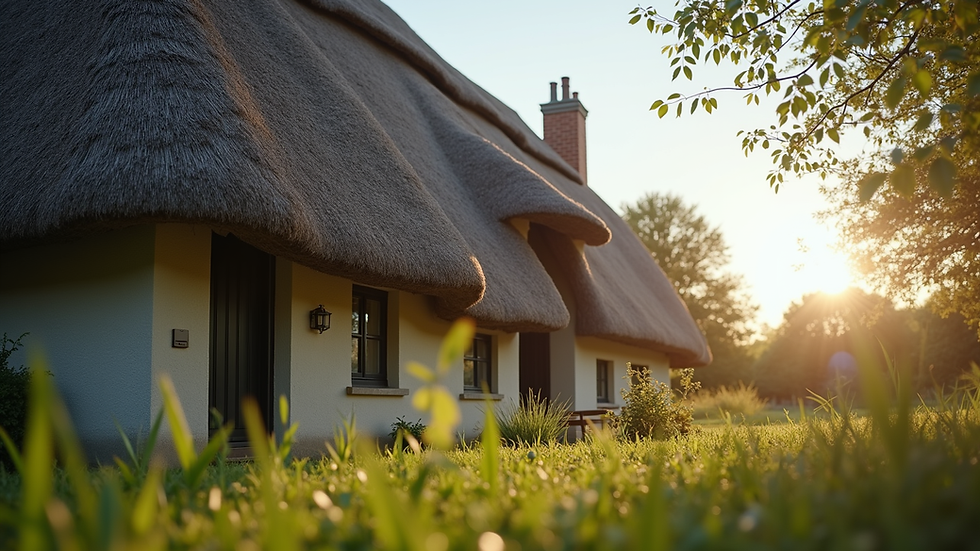
Understanding Thatch Roof Pricing in the UK
Thatch roof pricing depends on several key elements. The type of material, the size and complexity of the roof, and the skill level of the thatcher all influence the final cost. Generally, thatch roofing is more expensive than conventional roofing materials like tiles or slates, but it offers unique benefits that many find worthwhile.
Materials
The most common materials used for thatching in the UK are water reed, long straw, and combed wheat reed. Each has its own price point:
Water reed: This is the most durable and often the most expensive option. It can last up to 60 years with proper maintenance.
Long straw: A traditional choice, usually less costly than water reed but requires more frequent repairs.
Combed wheat reed: A middle ground in terms of price and durability.
Labour
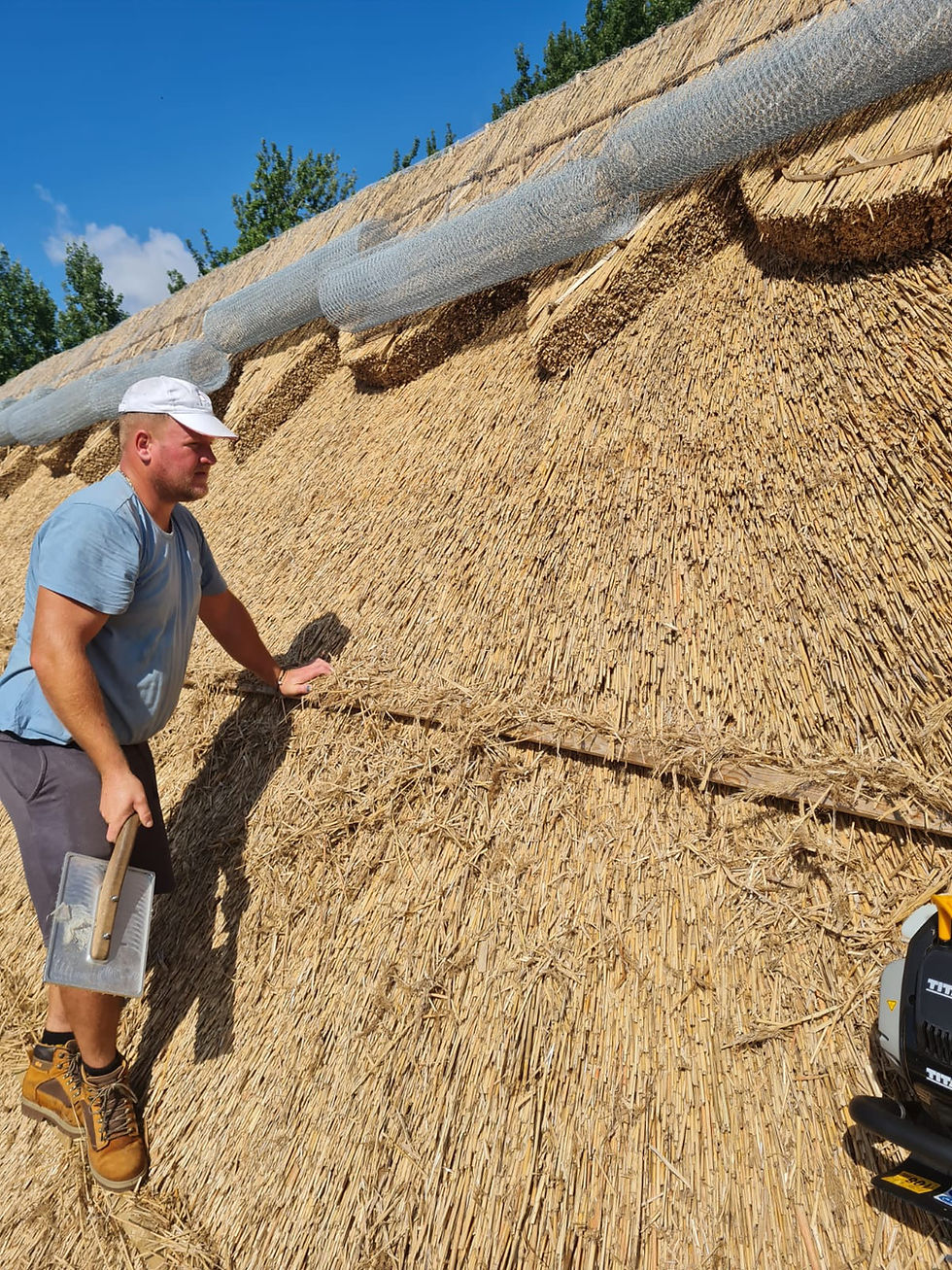
Thatching is a skilled trade. Experienced thatchers charge premium rates because of the craftsmanship involved. Labour costs can make up a significant portion of the total price. Expect to pay more for complex roof shapes or steep pitches, as these require more time and expertise.
Size and Complexity
The larger and more intricate the roof, the higher the cost. Features like dormer windows, chimneys, and valleys add to the labour and material requirements. A simple rectangular roof will be cheaper than one with multiple angles and details.
Factors Affecting Thatch Roof Pricing
Several other factors can influence the final cost of your thatched roof project:
Location
Prices can vary across the UK. In rural areas with many thatched properties, you might find more competitive pricing due to local expertise. In cities or regions where thatching is less common, costs may be higher.
Roof Pitch and Design
Steeper roofs require more material and labour. Complex designs with curves or multiple levels also increase costs. If your property has a unique architectural style, expect to pay a premium.
Maintenance and Repairs
Thatch roofs need regular upkeep to maintain their lifespan. Annual inspections and minor repairs are essential. Budgeting for ongoing maintenance is important to protect your investment.
Insurance and Regulations
Thatched roofs can affect your property insurance premiums. Some insurers charge more due to the fire risk associated with thatch. Additionally, if your property is listed or in a conservation area, you may need special permissions, which can add to costs.
Can I get a grant for a thatched roof?
You might be wondering if there’s financial help available for installing or repairing a thatched roof. The good news is that grants and funding options do exist, but they are often limited and specific.
Heritage and Conservation Grants
If your property is a listed building or located in a conservation area, you may qualify for grants from local councils or heritage organisations. These grants aim to preserve traditional building methods and materials, including thatch.
Eligibility Criteria
Grants usually require that the work is done by a qualified thatcher and that the materials meet certain standards. You may need to provide detailed plans and cost estimates before approval.
How to Apply
Start by contacting your local authority’s conservation officer or heritage department. They can guide you through the application process and inform you about available funding.
Other Funding Sources
Occasionally, national heritage bodies or charitable trusts offer grants for thatch roofing projects. Keep an eye on announcements from organisations like Historic England or the National Lottery Heritage Fund.
How to Choose the Right Thatch Roofing Contractor
Selecting the right contractor is crucial for a successful thatch roofing project. Here are some tips to help you make the best choice:
Ask for References and Portfolio
Request examples of previous projects and speak to past clients if possible. This will give you confidence in the contractor’s skills and reliability.
Discuss Materials and Techniques
Make sure the contractor uses high-quality materials suited to your property and climate. Ask about their approach to maintenance and repairs.
Confirm Insurance and Guarantees
Ensure the contractor has appropriate insurance coverage and offers guarantees on their work. This protects you in case of accidents or defects.
Maintaining Your Thatch Roof: What to Expect
A thatched roof is an investment that requires ongoing care. Proper maintenance can extend the life of your roof and keep it looking great.
Regular Inspections
Have your roof inspected at least once a year by a professional. They can spot early signs of wear, damage, or pest infestations.
Cleaning and Repairs
Remove debris like leaves and moss to prevent moisture buildup. Small repairs, such as patching worn areas, should be done promptly to avoid bigger problems.
Re-ridging
The ridge of a thatched roof typically needs replacing every 10-15 years. This is a less expensive process than re-thatching the entire roof.
Fire Safety Measures
Get someone to check your chimneys regularly.
Check your electrical system.
Why Choose Thatch Roofing?
Thatch roofing offers more than just a roof over your head. It’s a statement of style, tradition, and sustainability.
Aesthetic appeal: Thatch roofs have a timeless charm that enhances the character of any property.
Environmental benefits: Thatch is a natural, renewable material with excellent insulation properties.
Longevity: With proper care, a thatched roof can last decades, making it a worthwhile investment.
Cultural heritage: Choosing thatch supports traditional craftsmanship and helps preserve historic building techniques.
If you want a roof that stands out and adds value to your property, thatch is a fantastic choice.
Planning Your Thatch Roof Project
Before you start, it’s important to plan carefully. Here are some practical steps to ensure your thatch roofing project goes smoothly:
Assess your property: Understand your roof’s size, shape, and condition.
Set a budget: Include installation, maintenance, and potential grant applications.
Research contractors: Find reputable thatchers with good reviews.
Check regulations: Confirm any planning permissions or conservation rules.
Schedule the work: Plan for the best time of year to avoid weather delays.
By following these steps, you’ll be well-prepared to enjoy the beauty and benefits of a thatched roof for years to come.


Comments