
The Benefits of Thatch on New Builds

Updated: 4 days ago
Starting a New Build? Discover the Benefits of Thatch Roofing!
Starting a new build is an exciting journey. Choosing the right roofing material is a key decision that affects the look, feel, and performance of your property. Thatch roofing, a traditional craft with a long history, is making a strong comeback in modern construction. It offers unique benefits that many property owners, builders, and architects find appealing.
In this post, I’ll share why thatch on new builds is worth considering. I’ll also highlight some practical examples, including how products like Reed Roofing’s traditional thatch services can bring quality and style to your project.

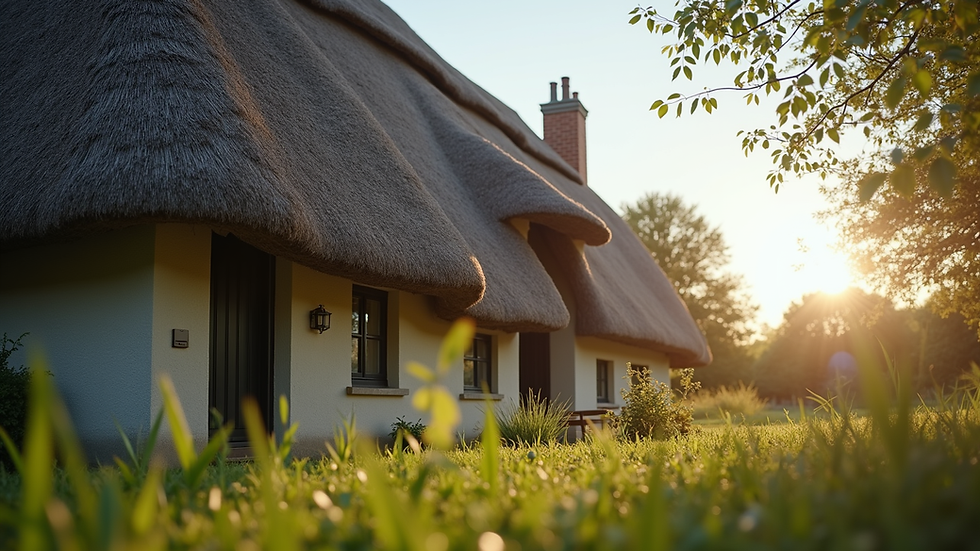
Traditional thatch roof on a new build cottage
Why Choose Thatch for New Builds
Thatch roofing is more than just a nod to the past. It offers several practical and aesthetic advantages that make it a smart choice for new homes.
Natural Insulation and Energy Efficiency
Thatch is a natural insulator. The thick layers of straw or reed trap air, keeping homes warm in winter and cool in summer. This means less reliance on heating and cooling systems, which can lower energy bills.
For example, a well-installed reed thatch roof can reduce heat loss by up to 50% compared to some conventional roofing materials. This makes it an eco-friendly option that supports sustainable living.
Unique Aesthetic Appeal
Thatch roofs have a distinctive look that blends beautifully with rural and suburban settings. They add character and charm that modern materials often lack. This can increase the property’s value and curb appeal.
Builders and architects often choose thatch to create homes that stand out while respecting local heritage and landscape.
Durability and Longevity
When properly maintained, thatch roofs can last 40 to 60 years or more. Reed thatch, in particular, is known for its durability and resistance to weather. This longevity makes it a cost-effective choice over time.
Reed Roofing offers expert thatching services that ensure your roof is built to last, using traditional techniques combined with modern standards.
Practical Considerations for Thatch on New Builds
Choosing thatch means understanding the installation process, maintenance, and regulations involved.
Installation by Skilled Craftsmen
Thatching is a skilled trade. It requires experienced professionals who know how to layer and secure the materials correctly. This ensures the roof is weatherproof and safe.
For new builds, companies like Reed Roofing provide specialist thatching services. Their team combines traditional craftsmanship with efficient service, making the process smooth and reliable.
Maintenance and Care
Thatch roofs need regular inspections and occasional repairs to maintain their condition. This includes clearing moss, checking for damage, and re-ridging every 15 to 20 years.
While maintenance is necessary, it is straightforward and helps extend the roof’s life. Many property owners find the upkeep manageable and worth the benefits.
Compliance with Building Regulations
New builds with thatch roofs must meet local building codes and fire safety standards. This often involves using fire retardant treatments and ensuring proper spacing and ventilation.
Working with specialists who understand these requirements is essential. They can guide you through the process and ensure your build complies with all regulations.

Reed thatch installation on a new build roof
Comparing Reed and Straw Thatch for New Builds
Two common types of thatch are reed and straw. Each has its own benefits and suits different needs.
Reed Thatch
Made from water reed, which grows in wetlands.
Dense and durable, lasting up to 60 years.
Offers excellent weather resistance.
Requires skilled installation but less frequent maintenance.
Ideal for coastal or exposed locations.
Straw Thatch
Made from wheat, rye, or oat straw.
Lighter and less dense than reed.
Typically lasts 20 to 30 years.
More affordable but needs more regular upkeep.
Suits inland or sheltered areas.
Choosing between reed and straw depends on your location, budget, and desired look. For new builds, reed thatch is often recommended for its longevity and strength. Reed Roofing specialises in reed thatch, providing expert advice and quality workmanship.
Environmental Benefits of Thatch Roofing
Thatch is a renewable resource. It is biodegradable and has a low carbon footprint compared to manufactured roofing materials like tiles or slate.
Using thatch supports local agriculture and traditional crafts. It also reduces waste and energy use in production and transport.
For those aiming to build eco-friendly homes, thatch is a natural choice that aligns with green building principles.

New build with thatched roof in rural setting
How Reed Roofing Supports Your New Build Project
Reed Roofing offers a full range of thatching services tailored to new builds. Their team works closely with builders and architects to deliver roofs that meet both aesthetic and practical needs.
They use traditional techniques combined with modern materials to ensure durability and compliance with safety standards. Their competitive pricing and efficient service make them a trusted choice across the UK.
You can learn more about their services and see examples of their work on their website: Reed Roofing.
The Future of Thatch Roofing
As we look to the future, thatch roofing remains relevant. It combines tradition with modern needs. More property owners are recognising the benefits of this unique roofing style.
With its natural insulation, aesthetic appeal, and environmental advantages, thatch is a choice that resonates with today’s values. It’s not just about roofing; it’s about creating a sustainable future.
Conclusion
Choosing thatch for your new build means investing in a roof that offers natural insulation, timeless beauty, and long-lasting performance. With expert help from specialists like Reed Roofing, you can enjoy all the benefits of thatch without the usual worries.
If you want a roof that stands out and supports sustainable living, thatch is a smart, practical choice. It’s a tradition that fits perfectly with modern needs.
Ready to explore thatch for your new build? Consider reaching out to a specialist to discuss your options and get expert advice tailored to your project. A well-crafted thatch roof can transform your property and provide comfort for decades to come.


Comments