
Essential Reed Roofing Questions: Your Guide to Thatch Roofing
- lucian alixei
- Apr 16
- 4 min read

When it comes to roofing options, reed roofing stands out as a beautiful, traditional choice that offers both charm and durability. If you’re considering this natural roofing material, you probably have plenty of questions. I’ve gathered the most essential information to help you understand reed roofing better. Whether you’re a property owner, builder, or architect, this guide will walk you through the basics and beyond.
Common Reed Roofing Questions Answered
Reed roofing is a specialised craft that combines traditional techniques with modern standards. Here are some of the most frequently asked questions about reed roofing, along with clear, practical answers.
What is reed roofing?
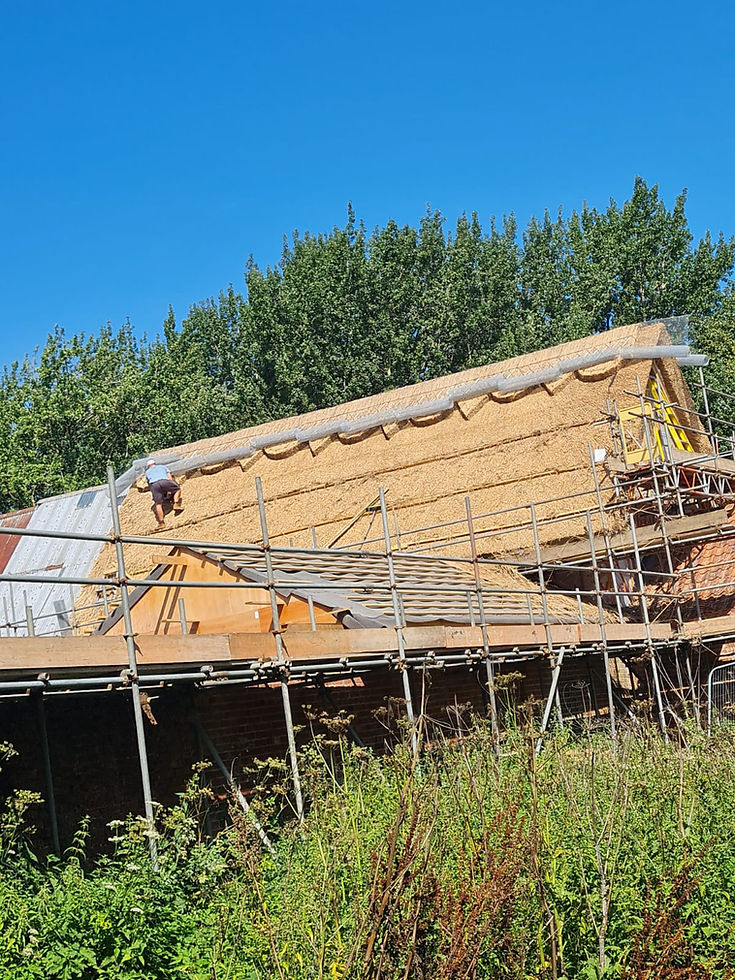
Reed roofing uses bundles of water reed, a tall grass that grows in wetlands, to create a thatched roof. The reeds are tightly packed and layered to form a weatherproof covering. This method has been used for centuries, especially in the UK, and is prized for its natural insulation and aesthetic appeal.
How long does a reed roof last?
A well-maintained reed roof can last between 40 to 60 years. The longevity depends on factors like the quality of the reed, the skill of the thatcher, and the roof’s exposure to weather. Regular inspections and maintenance can extend the life of your roof significantly.
Is reed roofing environmentally friendly?
Absolutely! Reed is a renewable resource that grows quickly and requires minimal processing. Using reed roofing reduces reliance on synthetic materials and supports sustainable building practices.
How much does reed roofing cost?
Costs vary depending on the size and complexity of the roof, but reed roofing is generally more affordable than other traditional thatch materials like straw. It’s important to get quotes from experienced thatchers to understand the full cost, including installation and maintenance.
Can reed roofing be installed on modern buildings?
Yes, reed roofing can be adapted to suit both traditional and contemporary architecture. It adds character and excellent insulation to any property, making it a versatile choice.

Why Choose Reed Roofing? Key Benefits and Considerations
Choosing the right roofing material is crucial. Reed roofing offers several advantages that make it a smart choice for many properties.
Benefits of Reed Roofing
Natural Insulation: Reed roofs provide excellent thermal insulation, keeping homes warm in winter and cool in summer.
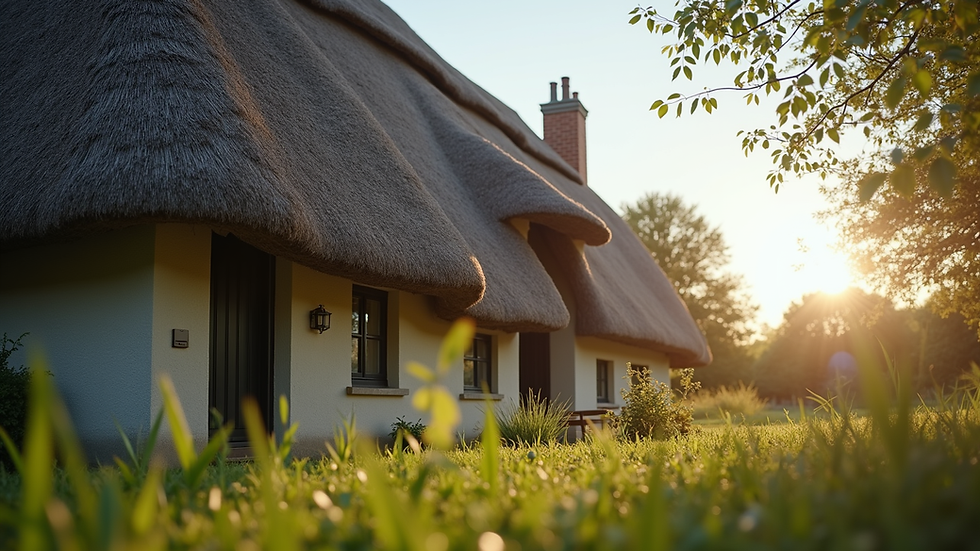
Aesthetic Appeal: The natural look of reed adds charm and character to any building, enhancing curb appeal.
Durability: When installed correctly, reed roofs are highly durable and weather-resistant.
Sustainability: Reed is a renewable material, making it an eco-friendly roofing option.
Sound Insulation: Reed roofs also help reduce noise from rain and wind, creating a quieter indoor environment.
Things to Consider
Maintenance: Reed roofs require periodic maintenance to check for damage or wear.
Fire Risk: Like all thatch roofs, reed can be more vulnerable to fire. However, modern fire retardant treatments and building regulations help mitigate this risk.
Skilled Installation: Proper installation by a qualified thatcher is essential to ensure longevity and performance.
What is the first rule of roofing?
The first rule of roofing is to ensure proper water drainage. No matter the material, a roof must effectively shed water to prevent leaks and structural damage. For reed roofing, this means the thatch must be laid at the correct angle and thickness to allow rainwater to run off quickly and not soak into the material.
This rule is critical because reed, while water-resistant, can deteriorate if water is allowed to pool or penetrate the roof. That’s why the pitch of a reed roof is usually steep, often between 45 and 55 degrees, to encourage fast drainage.
Additionally, regular inspections help catch any areas where water might be penetrating or where the thatch has thinned. Addressing these issues early keeps the roof in top condition.
How to Maintain and Care for Your Reed Roof
Maintaining a reed roof is straightforward but important. Here are some practical tips to keep your roof looking great and performing well:
Regular Inspections
Have a professional thatcher inspect your roof every few years. They can spot early signs of wear, moss growth, or damage.
Remove Debris
Keep the roof clear of leaves, twigs, and moss. These can trap moisture and accelerate decay.
Repair Promptly
If you notice any thinning or damage, arrange for repairs quickly. Small patches are easier and cheaper to fix than large-scale replacements.
Fire Safety Measures
Consider installing fire retardant sprays and ensure chimneys and flues are well maintained to reduce fire risk.
Avoid Walking on the Roof
Reed roofs are delicate. Avoid walking on them to prevent damage.
By following these steps, you can enjoy the beauty and benefits of your reed roof for decades.

Where to Find Expert Reed Roofing Services
Finding the right thatcher is key to a successful reed roofing project. Look for professionals who:
Have proven experience with reed roofing.
Use high-quality, locally sourced reed.
Offer clear quotes and timelines.
Provide maintenance and repair services.
Understand current building regulations and fire safety standards.
Ask for references and examples of previous work. A reputable thatcher will be happy to share this information.
If you want to learn more or have specific questions, check out this helpful resource on reed roofing faqs.
Final Thoughts on Reed Roofing
Reed roofing is a fantastic choice for those who value tradition, sustainability, and natural beauty. It offers excellent insulation, durability, and a unique aesthetic that few other roofing materials can match. With proper installation and care, a reed roof can last for many decades, making it a worthwhile investment.
If you’re considering reed roofing for your property, take the time to research and connect with experienced thatchers. This will ensure your roof not only looks stunning but also performs well for years to come.
Remember, the key to a successful reed roof lies in quality materials, skilled craftsmanship, and ongoing maintenance. Embrace the charm of reed roofing and enjoy the timeless appeal it brings to your home or project!


Comments