
Preserving Traditions and Nurturing Nature: The Sustainable Legacy of Thatch Roofing
- lucian alixei
- Aug 3, 2023
- 3 min read

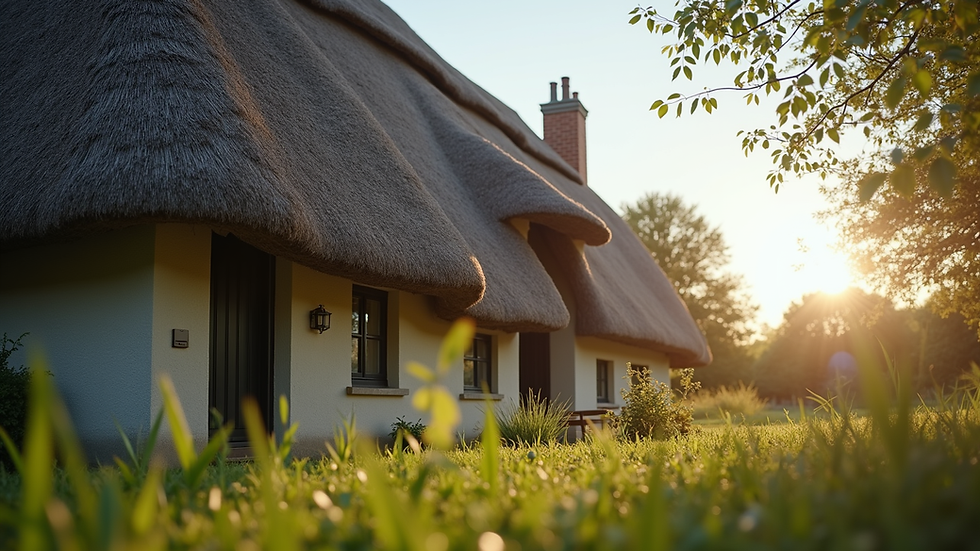
Thatch roofs, with their rustic charm and timeless appeal, have adorned homes and buildings for centuries, standing as a testament to human ingenuity and our connection to nature. As we delve deeper into the journey of thatch roofing materials, we uncover a sustainable legacy that encompasses responsible harvesting, traditional craftsmanship, and eco-friendly practices. In this blog, we explore the significance of preserving these traditions and nurturing nature through the eco-friendliness of thatch roofing.

Sustainable Harvesting: A Balancing Act with Nature
The first step in the lifecycle of thatch roofing materials is sustainable harvesting. Thatch farmers and harvesters play a crucial role in ensuring that the process remains harmonious with nature. Rather than indiscriminately clearing land for thatch material, responsible harvesting practices emphasise careful management of natural resources.
For instance, when harvesting water reeds or grasses, only a portion of the plant is collected, allowing the remaining growth to regenerate and flourish. This sustainable approach ensures that the delicate ecosystems supporting these plant species are preserved, promoting biodiversity and protecting the habitat for various wildlife.
Cultivating Expertise: Passing Down the Art of Thatching
As the thatch materials are prepared and processed, a rich cultural heritage comes to the forefront. The art of thatching has been handed down through generations, with skilled craftsmen applying traditional techniques honed over centuries. This expertise is vital in determining the quality and durability of the final thatch material.
Passing down the art of thatching not only preserves cultural traditions but also fosters a sense of community and identity. Apprenticeships and mentoring relationships allow younger generations to learn from experienced thatchers, ensuring that this valuable knowledge endures for years to come.
Eco-Friendly Construction: Building in Harmony with the Environment
As the thatch construction phase commences, the benefits of choosing this eco-friendly roofing material become evident. Unlike conventional roofing options that require energy-intensive manufacturing processes, thatch materials are ready to use after sustainable harvesting and processing. This significantly reduces the carbon footprint associated with the construction phase, making it a greener choice for environmentally conscious homeowners.
The insulation properties of thatch roofs contribute to energy efficiency within buildings. Thatch acts as a natural temperature regulator, keeping homes cooler in hot weather and warmer during colder months. This reduces the reliance on artificial cooling and heating systems, further supporting eco-friendliness and reducing energy consumption.
Longevity and Low Impact Maintenance: A Sustainable Investment
Thatch roofs boast an impressive lifespan when adequately maintained, often lasting for several decades. This longevity is a testament to the durability and resilience of thatch materials. Regular maintenance and minor repairs, such as patching and re-tying loose thatch, can ensure that the roof remains in excellent condition for many years.
Thatch roof maintenance is a low-impact endeavour, requiring minimal resources compared to the maintenance of other roofing types. The materials used are biodegradable and, at the end of the roof's lifespan, they naturally break down without leaving harmful waste behind.
Renewability and Closing the Loop: A Sustainable Future
The lifecycle of thatch roofing materials comes full circle with their renewability and biodegradability. As the thatch material reaches the end of its lifespan, it closes the loop by returning to nature without any negative impact on the environment. This sustainable approach ensures that future generations will continue to have access to renewable thatching materials.
Choosing thatch roofing not only beautifies homes and buildings with their unique charm but also supports a greener, more sustainable future. By preserving traditions, nurturing nature, and embracing eco-friendly practices, homeowners who opt for thatch roofs leave a positive environmental legacy for generations to come.
Conclusion
From the farms where thatch materials are responsibly harvested to the skilled hands of craftsmen shaping these materials into beautiful roofs, the journey of thatch roofing materials is a journey of harmony with nature. Sustainable harvesting practices, traditional craftsmanship, eco-friendly construction, and the roof's longevity all contribute to the eco-friendliness of thatch roofs. By choosing thatch, homeowners become stewards of a sustainable legacy, preserving traditions and nurturing the environment for the betterment of the planet and its inhabitants.
Reed Roofing is proud to be part of this heritage and culture, and actively participate in all areas of eco-friendly practices and only work with eco-friendly partners.


Nice post